

Chapter 1 freeNo account needed.
Opens “Part 5: For the Health of the Army in India (1862-1865)” in the player · no sign-up needed
The Life of Florence Nightingale, Volume 2 is the second part of the authorized biography by the British journalist and biographer Sir Edward Cook, first published in 1913.
Inside the book
- Free nowno account · 1 chapter
- 1Part 5: For the Health of the Army in India (1862-1865)7 min
- Premium21 chapters · every book, 7 days free
- 2Part 6: Many Threads (1867-1872)5 min
- 3Part 7: Work of Later Years (1872-1910)12 min
- 4Part 5, part 254 min
- 5Part 5, part 350 min
- 6Part 5, part 450 min
- 7Part 5, part 554 min
- 8Part 5, part 653 min
- 9Part 6 — Part 1 of 4: Many Threads46 min
- 10Part 6, part 146 min
- 11Part 6, part 246 min
- 12Part 6, part 348 min
- 13Part 7 — Part 1 of 9: Work Of Later Years55 min
- 14Part 7, part 154 min
- 15Part 7, part 254 min
- 16Part 7, part 355 min
- 17Part 7, part 455 min
- 18Part 7, part 555 min
- 19Part 7, part 655 min
- 20Part 7, part 757 min
- 21Part 7, part 859 min
- 22Appendix1 h 12 m
The opening
Part 5: For the Health of the Army in India (1862-1865)
For The Health Of The Army In India (1862-1865)
CHAPTER I PRELIMINARY. THE LOSS OF FRIENDS (AUGUST-DECEMBER 1861)
PAGE
Despondency after the death of Sidney Herbert—Sir George Lewis and the War Office—Lord de Grey reappointed under-secretary. II. "Saving things from the wreck"—The Herbert Hospital at Woolwich-- Captain Galton at the War Office—Barracks inquiry extended to the Mediterranean—Miss Nightingale and the Volunteers. III. The American Civil War—Miss Nightingale and the nursing—British reinforcements to Canada—Miss Nightingale "working as in the times of Sidney Herbert." IV. Miss Nightingale and Arthur Hugh Clough-- His assistance to her—His death (Nov. 1861)—Her grief—Letters of condolence—Her yearning for sympathy—Illness 3
CHAPTER II THE PROVIDENCE OF THE INDIAN ARMY (1862, 1863)
High rate of mortality among the British army in India: Miss Nightingale as a "saviour" of the army. Her determination to obtain a Royal Commission for India on the lines of the Commission of 1857 for the home army—Lord Stanley approves the idea: Sidney Herbert, chairman, succeeded by Lord Stanley—Selection of Commissioners. II. Miss Nightingale's work for the Commission (1859-1862)-- Collection of evidence from India: her circular of inquiry-- Preparation of statistical evidence at home: Miss Nightingale and Dr. Farr—Miss Nightingale and the witnesses. III. Her analysis of the written reports from India: "Observations by Miss Nightingale" thereon (1862)—Circulation of the "Observations"—Account of them --Abstract of the evidence by Miss Nightingale and Dr. Sutherland. IV. Death of Sir George Lewis—Her desire to see Lord de Grey appointed to the War Office—Press notices: letter to Lord Palmerston. V. Preparation of the Report of the Commission—Miss Nightingale's part in it—The recommendations—Her suggested machinery: (1) sanitary commissions in India, (2) supervision in England—Adoption of her policy—The Report signed (May 1863). VI. Miss Nightingale's "publicity campaign"—Distribution of early copies—Press notices—Omission of her "Observations" and Indian evidence from the cheaper official issue of the Report—Separate publication by her—Re-issue of the Report with her "Observations": circulation of the re-issue by the War Office. VII. Physical disabilities under which Miss Nightingale worked 18
CHAPTER III SETTING REFORMERS TO WORK (1863-1865)
"Reports not self-executive": Miss Nightingale's determination to put the Indian Report into execution. Correspondence with Lord Stanley—His interview with Sir Charles Wood—Miss Nightingale asked to draft "Suggestions" to be sent out to India—Departmental criticism of the Report: delay. II. Death of Lord Elgin, the Viceroy—Question of his successor—Miss Nightingale's admiration for Sir John Lawrence—His appointment—Her interview with him. III. Sir John Lawrence announces the appointment of sanitary commissions in India and begs her to expedite the dispatch of the "Suggestions."—More departmental delay—Miss Nightingale's impatience—Lord Stanley's intervention—The "Suggestions" approved and printed—Delay in sending them: circumvented by Miss Nightingale. IV. Sir John Lawrence's prompt action in India-- Correspondence with Miss Nightingale—Reforms by Sir Hugh Rose (Lord Strathnairn)—Miss Nightingale's paper, How People may Live and not Die in India—Criticism of the Royal Commission's Report from India—Miss Nightingale's reply—Progress of sanitary reform in the army in India. V. Miss Nightingale as consultant and inspirer in Indian sanitary reform—Sir John Lawrence's difficulties—Lord Stanley's tribute to her—Importance of the co-operation between her and Sir John Lawrence 40
CHAPTER IV ADVISORY COUNCIL TO THE WAR OFFICE (1862-1866)
Miss Nightingale and the War Office: her position as consultant. Explanation of the position—Her expert authority on certain questions—Official legatee of Sidney Herbert—Correspondence with Sir George Lewis—Her friends at the War Office. II. Death of the permanent under-secretary—Miss Nightingale and Captain Galton's appointment—Her hopes of re-organization in the War Office. III. The Army Sanitary Commission—Miss Nightingale and improvements in barracks—Nursing in military hospitals. IV. The Army Medical School, and position of army doctors—Miss Nightingale as the doctors' champion—Lord Panmure's attack on the Herbert Hospital—Miss Nightingale's case for the defence. V. Wide range of subjects referred to her advice—The Geneva Convention (1864)-- Suggestions about soldiers' and sailors' pay—Miss Nightingale's methods. VI. The State regulation of vice—Miss Nightingale's efforts on behalf of soldiers' clubs, recreation-rooms, etc. VII. Her researches into the disappearance of aboriginal races. VIII. Spiritual comfort—Memories of heroism in the Crimea 59
CHAPTER V HELPERS, VISITORS, AND FRIENDS (1862-1866)
The years of Miss Nightingale's most trying work. Her helpers—The indispensable Dr. Sutherland—His constant service—Miss Nightingale as task-mistress—Her method of "conversation" by written notes. II. Seclusion from her friends—Her strict rule of life—Letters to Madame Mohl—Visit from Garibaldi (1864)—Her account of the interview—Appreciation of Abraham Lincoln—Death of Lord Palmerston. III. Miss Nightingale's scheme for investments by the working-classes in small freeholds—Correspondence with Mr. Villiers and Mr. Gladstone. IV. Sympathetic letters to friends --Literary correspondence with M. Mohl. V. Friendship with Mr. Jowett—Their correspondence—Miss Nightingale's work for the army and for India an accidental "call"—Her yearnings for hospital work 84
CHAPTER VI NEW MASTERS (1866)
Public events in 1866 in relation to Miss Nightingale's work. Letters on those events. II. The story of a lost dispatch. Sir John Lawrence's scheme for sanitary organization in India—Miss Nightingale's anxiety to have it revised before the Liberal Government fell—The Dispatch lost at the India Office: found by Lord Ripon—His reply to it drafted, when the government fell. III. Miss Nightingale's vexation—Dr. Sutherland's absence—Visit from Lord Napier on his appointment to the governorship of Madras. IV. The Conservative Government—Miss Nightingale's desire to come in touch with the new ministers—Correspondence with Lord Cranborne (India Office) and Mr. Gathorne Hardy (Poor Law Board). V. The Austro-Prussian War—Miss Nightingale and war-nursing-- Correspondence with the Princess Alice and the Crown Princess of Prussia. VI. A holiday at Embley with her mother—Private meditations 104
About the author
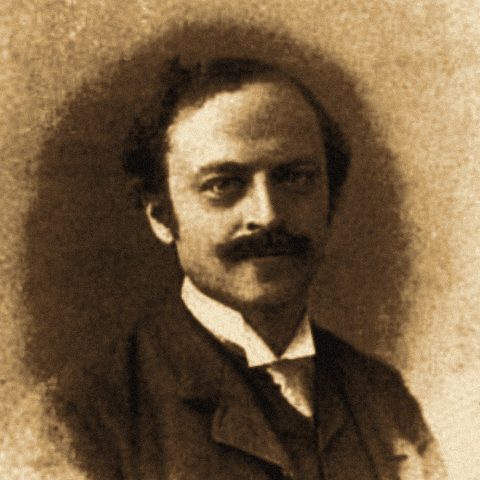
Edward Tyas Cook
1857 Brighton – 1919 South Stoke · British journalist and writer
Sir Edward Tyas Cook was an English journalist, biographer, and man of letters.
If you like The Life of Florence Nightingale, Volume 2
More like this


Start with “Part 5: For the Health of the Army in India (1862-1865)”
First chapter free right now — no account. Your place follows you to iPhone and Android.