

2 chapters freeNo account needed.
Opens “Letter 1: To Eloisa” in the player · no sign-up needed
I must fly from you, madam, in truth I must.
Julie, or the New Heloise, originally entitled Letters from Two Lovers, Living in a Small Town at the Foot of the Alps, is an epistolary novel by Jean-Jacques Rousseau, published in 1761.
Inside the book
- Free nowno account · 2 chapters
- —Introduction56 min
- 2Letter 1: To Eloisa8 min
- Premium158 chapters · every book, 7 days free
- 3Letter 2: To Eloisa4 min
- 4Letter 3: To Eloisa4 min
- 5Letter 4: From Eloisa6 min
- 6Letter 5: To Eloisa4 min
- 7Letter 6: Eloisa to Clara3 min
- 8Letter 7: Answer10 min
- 9Letter 9: From Eloisa6 min
- 10Letter 10: To Eloisa4 min
- 11Letter 11: From Eloisa4 min
- 12Letter 12: To Eloisa10 min
- 13Letter 13: From Eloisa4 min
- 14Letter 14: To Eloisa3 min
- 15Letter 15: From Eloisa2 min
- 16Letter 16: Answer1 min
- 17Letter 17: Reply3 min
- 18Letter 18: To Eloisa2 min
- 19Letter 19: To Eloisa3 min
- 20Letter 20: From Eloisa3 min
- 21Letter 21: To Eloisa4 min
- 22Letter 22: From Eloisa3 min
- 23Letter 23: To Eloisa16 min
- 24Letter 24: To Eloisa5 min
- 25Letter 25: From Eloisa6 min
- 26Letter 26: To Eloisa12 min
- 27Letter 27: From Clara2 min
- 28Letter 28: From Eloisa to Clara2 min
- 29Letter 29: From Eloisa to Clara5 min
- 30Letter 30: The Answer7 min
- 31Letter 31: To Eloisa5 min
- 32Letter 32: Answer6 min
- 33Letter 33: From Eloisa4 min
- 34Letter 34: The Answer6 min
- 35Letter 35: From Eloisa8 min
- 36Letter 36: From Eloisa4 min
- 37Letter 37: From Eloisa3 min
- 38Letter 38: To Eloisa5 min
- 39Letter 39: From Eloisa4 min
- 40Letter 40: From Fanny Regnard to Eloisa2 min
- 41Letter 41: The Answer1 min
- 42Letter 43: To Eloisa3 min
- 43Letter 44: From Eloisa5 min
- 44Letter 45: To Eloisa4 min
- 45Letter 46: From Eloisa5 min
- 46Letter 47: To Eloisa4 min
- 47Letter 48: To Eloisa8 min
- 48Letter 49: From Eloisa4 min
- 49Letter 50: From Eloisa10 min
- 50Letter 52: From Eloisa6 min
- 51Letter 53: From Eloisa4 min
- 52Letter 54: To Eloisa3 min
- 53Letter 55: To Eloisa6 min
- 54Letter 56: From Clara to Eloisa4 min
- 55Letter 57: From Eloisa20 min
- 56Letter 58: From Eloisa to Lord B----2 min
- 57Letter 59: From Mr. Orbe to Eloisa1 min
- 58Letter 60: To Eloisa10 min
- 59Letter 61: From Eloisa1 min
- 60Letter 62: From Clara11 min
- 61Letter 63: From Eloisa to Clara13 min
- 62Letter 64: Clara to Mr. Orbe3 min
- 63Letter 65: Clara to Eloisa19 min
- 64Letter 66: To Eloisa6 min
- 65Letter 67: Lord B---- to Mrs. Orbe11 min
- 66Letter 68: Lord B---- to Eloisa8 min
- 67Letter 69: Eloisa to Clara5 min
- 68Letter 70: Answer to the Preceding11 min
- 69Letter 71: Eloisa to Lord B----6 min
- 70Letter 72: From Eloisa10 min
- 71Letter 73: From Clara3 min
- 72Letter 74: From Lord B---- to Eloisa2 min
- 73Letter 75: To Clara9 min
- 74Letter 76: From Eloisa14 min
- 75Letter 77: To Eloisa2 min
- 76Letter 78: To Eloisa7 min
- 77Letter 79: To Eloisa. [20]11 min
- 78Letter 80: From Eloisa9 min
- 79Letter 81: To Eloisa12 min
- 80Letter 82: To Eloisa26 min
- 81Letter 83: From Eloisa13 min
- 82Letter 74: To Eloisa4 min
- 83Letter 85: From Eloisa1 min
- 84Letter 86: To Eloisa33 min
- 85Letter 87: To Eloisa23 min
- 86Letter 89: From Eloisa3 min
- 87Letter 90: To Eloisa7 min
- 88Letter 91: To Eloisa8 min
- 89Letter 92: The Answer18 min
- 90Letter 93: From Eloisa1 min
- 91Letter 94: From Mrs. Orbe8 min
- 92Letter 95: To the Baroness D’Etange3 min
- 93Letter 96: To Mrs. Orbe,2 min
- 94Letter 97: From Mrs. Orbe3 min
- 95Letter 98: From Eloisa4 min
- 96Letter 99: To Mrs. Orbe6 min
- 97Letter 100: The Answer11 min
- 98Letter 101: From Lord B----1 min
- 99Letter 102: The Answer1 min
- 100Letter 103: From the Baron D’Etange1 min
- 101Letter 104: The Answer3 min
- 102Letter 105: From Eloisa1 min
- 103Letter 106: From Eloisa to Mrs. Orbe5 min
- 104Letter 107: The Answer9 min
- 105Letter 108: From Eloisa3 min
- 106Letter 109: The Answer9 min
- 107Letter 110: From Mrs. Orbe1 min
- 108Letter 111: From Eloisa (part 1)27 min
- 109Letter 111: From Eloisa (part 2)32 min
- 110Letter 112: To Eloisa9 min
- 111Letter 113: From Eloisa18 min
- 112Letter 114: To Lord B----22 min
- 113Letter 115: Answer17 min
- 114Letter 116: From Lord B----3 min
- 115Letter 118: From Lord B----1 min
- 116Letter 119: To Mrs. Orbe2 min
- 117Letter 120: From Mrs. Wolmar to Mrs. Orbe17 min
- 118Letter 121: Answer16 min
- 119Letter 122: To Mrs. Orbe10 min
- 120Letter 123: From Mr. Wolmar1 min
- 121Letter 124: From Mrs. Orbe2 min
- 122Letter 125: To Lord B----20 min
- 123Letter 126: Mrs. Wolmar to Mrs. Orbe12 min
- 124Letter 127: Answer8 min
- 125Letter 128: Clara to Eloisa13 min
- 126Letter 129: To Lord B---- (part 1)33 min
- 127Letter 129: To Lord B---- (part 2)35 min
- 128Letter 130: To Lord B----40 min
- 129Letter 131: Mrs. Wolmar to Mrs. Orbe25 min
- 130Letter 132: Answer16 min
- 131Letter 133: Mr. Wolmar to Mrs. Orbe11 min
- 132Letter 124: To Lord B----5 min
- 133Letter 136: To Lord B---- (part 1)45 min
- 134Letter 136: To Lord B---- (part 2)47 min
- 135Letter 137: To Lord B---- (part 1)30 min
- 136Letter 137: To Lord B---- (part 2)33 min
- 137Letter 140: From Lord B---- to Mrs. Orbe3 min
- 138Letter 141: To Lord B----20 min
- 139Letter 142: To Lord B----12 min
- 140Letter 143: To Lord B----19 min
- 141Letter 144: To Mr. WOLMAR5 min
- 142Letter 145: To Mrs. Orbe15 min
- 143Letter 146: From Mrs. Orbe4 min
- 144Letter 147: From Mr. Wolmar2 min
- 145Letter 148: To Mr. Wolmar7 min
- 146Letter 149: Mrs. Wolmar to Mrs. Orbe24 min
- 147Letter 150: Harriot to her Mother2 min
- 148Letter 151: Mrs. Orbe to Mrs. Wolmar3 min
- 149Letter 152: Mrs. Orbe to Mrs. Wolmar26 min
- 150Letter 153: Lord B---- to Mr. Wolmar16 min
- 151Letter 154: Answer4 min
- 152Letter 155: Mrs. Orbe to Mrs. Wolmar15 min
- 153Letter 156: From Mrs. Wolmar23 min
- 154Letter 157: Answer29 min
- 155Letter 158: From Mrs. Wolmar34 min
- 156Letter 159: From Fanny Anet3 min
- 157Letter 161: From Mr. Wolmar (part 1)42 min
- 158Letter 161: From Mr. Wolmar (part 2)43 min
- 159Letter 162: From Eloisa7 min
- 160Letter 163: From Mrs. Orbe4 min
The opening
Letter 1: To Eloisa
I must fly from you, madam, in truth I must. I am to blame for continuing with you so long, or rather, I ought never to have beheld you. But, situated as I am, what can I do? How shall I determine? You have promised me your friendship; consider my perplexity, and give me your advice.
You are sensible that I became one of your family in consequence of an invitation from your mother. Believing me possessed of some little knowledge, she thought that I might be of service in the education of her beloved daughter, in a situation where proper masters were not to be obtained. Proud to be instrumental in adding a few embellishments to one of nature's most beautiful compositions, I dared to engage in the perilous task, unmindful of the danger, or, at least, unapprehensive of the consequence. I will not tell you that I begin to suffer for my presumption. I hope I shall never so far forget myself as to say any thing which you ought not to hear, or fail in that respect which is due to your virtue, rather than to your birth or personal charms. If I must suffer, I have the consolation, at least, that I suffer alone. I can enjoy no happiness at the expense of yours.
And yet I see you and converse with you every day of my life, and am but too sensible that you innocently aggravate a misfortune which you cannot pity, and of which you ought to be ignorant. It is true, I know what prudence would dictate, in a case like this, where there is no hope; and I should certainly follow her advice if I could reconcile it with my notions of probity. How can I with decency quit a family into which I was so kindly invited, where I have received so many obligations, and where, by the tenderest of mothers, I am thought of some utility to a daughter whom she loves more than all the world? How can I resolve to deprive this affectionate parent of the pleasure she proposes to herself in, one day, surprizing her husband with your progress in the knowledge of things of which he must naturally suppose you ignorant? Shall I impolitely quit the house without taking leave of her? Shall I declare to her the cause of my retreat, and would not she even have reason to be offended with this confession from a man whose inferior birth and fortune must for ever remain insuperable bars to his happiness?
There seems but one method to extricate me from this embarrassment: the hand which involved me in it must also relieve me. As you are the cause of my offence, you must inflict my punishment: out of compassion, at least, deign to banish me from your presence. Shew my letter to your parents; let your doors be shut against me; spurn me from you in what manner you please; from you I can bear any thing; but of my own accord I have no power to fly from you.
Spurn me from you! fly your presence! why? Why should it be a crime to be sensible of merit, and to love that which we cannot fail to honour? No, charming Eloisa; your beauty might have dazzled my eyes, but it never would have misled my heart, had it not been animated with something yet more powerful. It is that captivating union between a lively sensibility and invariable sweetness of disposition; it is that tender feeling for the distresses of your fellow creatures; it is that amazing justness of sentiment, and that exquisite taste which derive their excellence from the purity of your soul; they are, in short, your mental charms much more than those of your person, which I adore. I confess it may be possible to imagine beauties still more transcendently perfect; but more amiable, and more deserving the heart of a wise and virtuous man,----no, no, Eloisa, it is impossible.
I am sometimes inclined to flatter myself that, as in the parity of our years, and similitude of taste, there is also a secret sympathy in our affections. We are both so young that our nature can hitherto have received no false bias from any thing adventitious, and all our inclinations seem to coincide. Before we have imbibed the uniform prejudices of the world, our general perceptions seem uniform; and why dare I not suppose the same concord in our hearts, which in our judgment is so strikingly apparent? Sometimes it happens that our eyes meet; involuntary sighs betray our feelings, tears steal from----O! my Eloisa! if this unison of soul should be a divine impulse----if heaven should have destined us----all the power on earth----Ah pardon me! I am bewildered: I have mistaken a vain wish for hope: the ardour of my desires gave to their imaginary object a solidity which did not exist. I foresee with horror the torments which my heart is preparing for itself. I do not seek to flatter my misfortune; if it were in my power I would avoid it. You may judge of the purity of my sentiments by the favour I ask. Destroy, if possible, the source of the poison that both supports and kills me. I am determined to effect my cure or my death, and I therefore implore your rigorous injunction, as a lover would supplicate your compassion.
Yes, I promise, I swear, on my part, to do every thing within my power to recover my reason, or to bury my growing anxiety in the inmost recesses of my soul. But, for mercy's sake, turn from me those lovely eyes that pierce me to the heart; suffer me no longer to gaze upon that face, that air, those arms, those hands, that engaging manner; disappoint the imprudent avidity of my looks; no longer let me hear that enchanting voice, which cannot be heard without emotion; be, alas! in every respect, another woman, that my soul may return to its former tranquillity.
Shall I tell you, without apology? When we are engaged in the puerile amusements of these long evenings, you cruelly permit me, in the presence of the whole family, to increase a flame that is but too violent already. You are not more reserved to me than to any of the rest. Even yesterday you almost suffered me, as a forfeit, to take a kiss: you made but a faint resistance. Happily, I did not persist. I perceived by my increasing palpitation, that I was rushing upon my ruin, and therefore stopped in time. If I had dared to indulge my inclination, that kiss would have proved my last sigh, and I should have died the happiest of mortals.
For heaven's sake, let us quit those plays, since they may possibly be attended with such fatal consequences; even the most simple of them all is not without its danger. I tremble as often as our hands meet, and I know not how it happens, but they meet continually. I start the instant I feel the touch of your finger; as the play advances I am seized with a fever, or rather delirium; my senses gradually forsake me, and, in their absence, what can I say, what can I do, where hide myself, or how be answerable for my conduct?
The hours of instruction are not less dangerous. Your mother, or your cousin, no sooner leave the room than I observe a change in your behaviour. You at once assume an air so serious, so cold, that my respect, and the fear of offending, destroys my presence of mind, and deprives me of my judgment: with difficulty and trembling, I babble over a lesson, which even your excellent talents are unable to pursue. This affected change in your behaviour is hurtful to us both: you confound me and deprive yourself of instruction, whilst I am entirely at a loss to account for this sudden alteration in a person naturally so even-tempered and reasonable. Tell me, pray tell me, why you are so sprightly in public, and so reserved when by ourselves? I imagined it ought to be just the contrary, and that one should be more or less upon their guard, in proportion to the number of spectators. But instead of this, when with me alone, you are ceremonious, and familiar when we join in mixed company. If you deign to be more equal, probably my torment will be less.
If that compassion which is natural to elevated minds, can move you in behalf of an unfortunate youth, whom you have honoured with some share in your esteem; you have it in your power, by a small change in your conduct, to render his situation less irksome, and to enable him, with more tranquility, to support his silence and his sufferings: but if you find yourself not touched with his situation, and are determined to exert your power to ruin him, he will acquiesce without murmuring: he would rather, much rather, perish by your order, than incur your displeasure by his indiscretion. Now, though you are become mistress of my future destiny, I cannot reproach myself with having indulged the least presumptive hope. If you have been so kind as to read my letter, you have complied with all I should have dared to request, even though I had no refusal to fear.
About the author
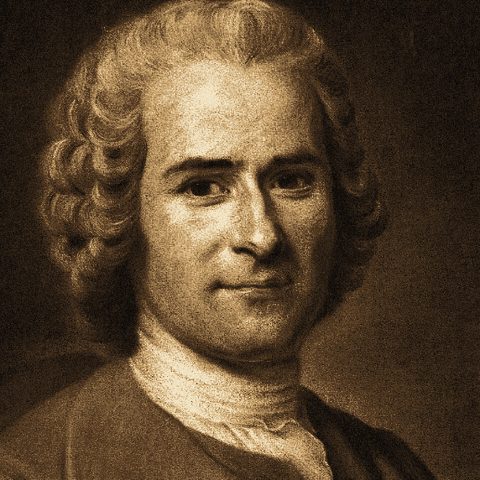
Jean-Jacques Rousseau
1712 Geneva – 1778 Ermenonville · Genevan philosopher, writer, and composer
Jean-Jacques Rousseau was a Genevan philosophe, writer, and composer. His political philosophy influenced the progress of the Age of Enlightenment throughout Europe, as well as aspects of the French Revolution and the development of modern political, economic, and educational thought.
- 1712Born, Geneva
- 1755A Discourse Upon the Origin and the Foundation of the Inequality Among Mankind
- 1761Eloisa
- 1762The Social Contract & Discourses
- 1762Emile
- 1778Died, Ermenonville
- 1782The Confessions of Jean-Jacques Rousseau
If you like Eloisa
More like this


Start with “Letter 1: To Eloisa”
2 chapters free right now — no account. Your place follows you to iPhone and Android.